中天站群
热线:0513-84885149(人事部) 84885200(市场部)
English
首页
关于江东
公司简介
宣传视频
发展历程
产业布局
荣誉资质
新闻资讯
江东新闻
行业新闻
产品展示
金具
火狐官方网站_火狐(中国)股份有限公司
避雷器
光伏支架
销售服务
经销网点
产品订购
售后服务
意见反馈
企业文化
企业文化
文化建设
人力资源
火狐官方网站_火狐(中国)股份有限公司
Previous
Next
新闻资讯
Previous
Next
查看更多 > >
产品布局
金具产品
公司专业设计生产特种电力金具、通信设备产品,如增容导线耐热金具系列,线路金具系列,变电金具系列,预绞式金具系列产品。今天的江东以其创新的技术、精良的生产设备、专业的研发团队,精细化的管理平台领跑行业!
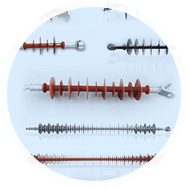
复合火狐官方网站_火狐(中国)股份有限公司
复合火狐官方网站_火狐(中国)股份有限公司 是一种高新技术产品,它为电力建设的发展和输电线路的安全运行提供了新型装备,作为瓷和玻璃火狐官方网站_火狐(中国)股份有限公司 的更新换代产品,市场十分广阔。目前,国家新建和重点工程线路均设计和使用复合火狐官方网站_火狐(中国)股份有限公司 ,复合火狐官方网站_火狐(中国)股份有限公司 已被电力部门广泛接收。
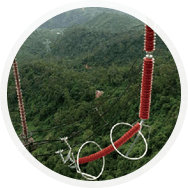
避雷器
电力能源在产生、输送、分配至负荷终端的过程中,发-输-配设备都不可避免遭遇过电压侵袭。无论这种过电压来自于大气或者内部,均会对设备造成损伤或永久性破坏,产生供电中断和巨大的经济损失。采取适宜的防护措施是必要的。
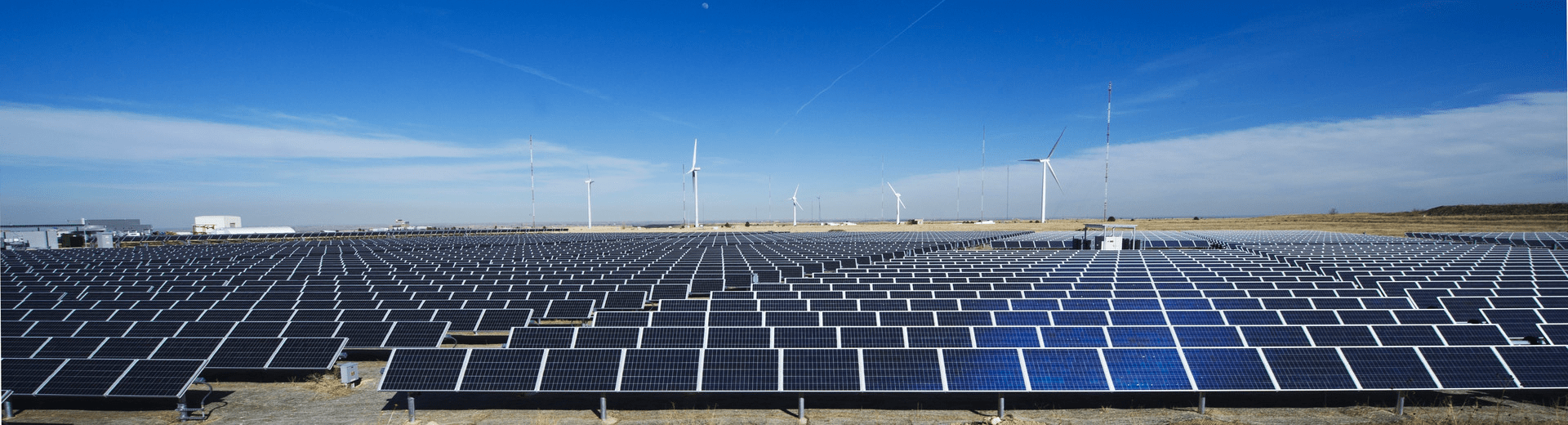
光伏支架
光伏支架是江东增设的新型产业,分为屋顶支架和地面支架,平面屋面系列针对安装于平面屋顶的太阳能支架系统;彩钢瓦屋面系列针对安装于彩钢瓦屋顶的太阳能支架系统;地面系列产品适用于户外开阔地面的通用型光伏组件的安装系统。
更多
更多
更多
更多
销售服务
产品订购
经营网点
售后服务
意见反馈
首页
关于江东
新闻资讯
产品展示
销售服务
企业文化
人力资源
火狐官方网站_火狐(中国)股份有限公司
问卷调查表-送变电等
问卷调查表-物资公司等
问卷调查表-业主等
火狐官方网站_火狐(中国)股份有限公司 版权所有 Copyright © 2014 -
2017
. All Rights Reserved.
开云手机官方版登录入口-开云(中国)
华体会体育网页版-华体会(中国)
米兰体育-米兰(中国)
华体在线-华体在线(中国)
星空·官方端网站登录入口-星空(中国)
半岛星空体育·(中国)官方网站
米兰体育-米兰(中国)
江南平台-江南官方网站(中国)
千亿体育-千亿qianyi(中国)
华体会体育-华体会(中国)-华体会(中国)